What Marketers Need to Know About ChatGPT Ads
TLDR:
- ChatGPT ads are coming as native, conversational recommendations inside chat.
- Early access appears limited to big brands with high minimum spend commitments, with reports estimating a minimum commitment of $200k
- Ads will be triggered by conversation context, not traditional keyword targeting.
- Measurement is currently limited, making this more of a brand play than a performance channel (wtf lol)
- For most advertisers, the smart move is to wait 6 to 12 months while the platform matures and less capital expenditure is required.
The End of an Era for Open AI
OpenAI has officially confirmed what the marketing world has been speculating about for months. This feels a lot like YouTube in 2007. YouTube was founded in 2005, acquired by Google in 2006, and began running ads and launching its Partner Program in 2007. Now ads are coming to ChatGPT. Not banners. Not popups. Not traditional display ads. Instead, ChatGPT ads are expected to appear as native, conversational recommendations and sponsored placements inside the chat experience itself. Think search intent, but powered by full conversation context rather than just keywords.
For advertisers, this could be either the next Google Ads style gold rush or an expensive experiment that only big brands can afford in the early days. So what do we actually know so far about ChatGPT ads, how they will work, how much they might cost, and whether they are worth testing?
Let’s break it down.
What Are ChatGPT Ads?
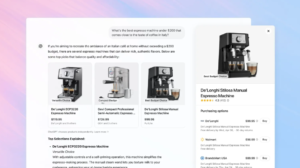
ChatGPT ads are a new advertising format being developed by OpenAI that will appear directly inside ChatGPT conversations.
Instead of showing banner ads or sidebar placements, these ads will be:
- Native and text based
- Contextual to the user’s conversation
- Triggered by user intent and topic relevance
- Clearly labeled as sponsored
- Placed below or alongside ChatGPT’s answers
In other words, this looks much closer to search ads or recommendation ads than to traditional display advertising. If a user is asking about the best project management tools, CRM software, meal kits, or travel gear, a sponsored recommendation could appear that aligns with that intent.
This is a fundamentally different ad surface than social feeds or websites. Users are already in a discovery and decision making mindset inside ChatGPT, which makes the intent signal extremely valuable and down the funnel targeting.
Why ChatGPT Ads Are a Big Deal for Marketers
The real promise of ChatGPT ads is intent.
In Google Ads, intent is inferred from keywords. In social ads, targeting is mostly demographic and interest based, and far more passive because users are not actively looking for a product or solution. In ChatGPT, intent is explicit. It comes directly from what the user is asking in natural language across an entire conversation.
That means advertisers could potentially target:
- People actively researching a solution
- People comparing products or services
- People asking for recommendations
- People planning a purchase or decision
All in real time, inside a conversational interface. For most advertisers, they already cover most of this intent by setting up the four basic search campaign types in Google Ads. But in some cases, people are not even making it to Google anymore. They will go from ChatGPT to Amazon or directly to a brand’s website. It will be interesting to see how user behavior changes over the course of the year as people get more comfortable with ChatGPT, Perplexity, and Grok. If OpenAI gets this right, ChatGPT ads could become a new category of high intent inventory that sits somewhere between search ads and native recommendations.
Current Reality: This Is Still Very Early Stage
Despite the hype, ChatGPT ads are not a self serve ad platform yet.
Right now, everything points to:
- Invite only or direct sales pilots
- Limited number of advertisers
- High minimum spend commitments
- Premium CPM pricing
- Very limited reporting and tracking
Industry chatter suggests early minimum commitments around 200,000 dollars or more, with CPMs rumored to be around 60 dollars. That puts this squarely in big brand experiment territory, not performance marketing for most companies.
On top of that, early reporting is expected to focus mainly on impressions, clicks, and basic engagement.
There is currently no indication of full funnel conversion tracking, pixel based attribution, or performance optimization tooling like we are used to with Google Ads or Meta.
So for now, ChatGPT ads look more like a brand and awareness experiment than a true performance channel.
How ChatGPT Ads Will Likely Work
Based on what OpenAI and early reports have shared, here is the most likely model:
- Ads appear as sponsored recommendations inside relevant conversations
- Targeting is based on conversation context, not user profiles
- Ads are clearly labeled as sponsored
- Ads do not influence ChatGPT’s actual answers
- Sensitive categories and under 18 users are excluded
- Pricing is likely CPM based at first, not CPC
- Buying is likely direct or through partners before any open auction exists
This makes ChatGPT ads closer to contextual AI recommendations than traditional search ads or display ads.
The Big Concern: Tracking and Attribution
One of the biggest concerns advertisers have right now is measurement.
Without native conversion tracking, advertisers will need to rely on:
- UTMs
- Custom landing pages
- Promo codes
- CRM based attribution
- Modeled or directional performance data
That is not a deal breaker for brand advertisers. But for performance marketers who live and die by ROAS, CPA, and LTV, it is a huge limitation.
Until ChatGPT ads support deeper attribution, most performance focused teams will likely stay on the sidelines.
Is This the Next Google Ads?
A lot of marketers are hoping ChatGPT ads will feel like the early days of Google Ads. Cheap clicks, high intent, and massive efficiency.
That could happen eventually, but there are some important differences:
- Google had massive search volume from day one
- Google launched with keyword targeting and direct response measurement
- ChatGPT ads are launching as a premium, controlled, brand focused product
- Measurement and optimization tooling is far less mature
The opportunity is real, but the first phase looks more like a high end brand experiment than a performance gold rush.
What Marketers Should Do Right Now
If you are a large brand or agency with big budgets
- Start conversations early with OpenAI or their partners
- Treat this as an experimental channel, not a core performance driver
- Plan for custom measurement and brand lift style testing
- Think about conversational creative, not traditional ad copy
If you are a mid market or performance driven advertiser
- Waiting 6 to 12 months is probably the smart move
- Focus on improving organic visibility in AI answers
- Make sure your tracking infrastructure is clean and flexible
- Watch how early testers talk about performance and quality
For everyone
- Prepare landing pages and UTMs specifically for AI traffic
- Think about how your product or service fits into recommendation style conversations
- Monitor how Google, OpenAI, and others evolve AI monetization models
The Bigger Picture: AI Is Becoming a New Discovery Layer
Whether ChatGPT ads succeed or not, one thing is clear. AI assistants are becoming a new discovery layer for products and services.
People are already asking what should I buy, what tool should I use, what is the best option for my situation, how do I compare these products, and what would you recommend.
That is incredibly valuable commercial intent.
Ads inside AI conversations are not a question of if. They are a question of when and how well they are executed.
ChatGPT is just the first major platform to make it official.
Frequently Asked Questions About ChatGPT Ads
Are ads coming to ChatGPT?
Yes. OpenAI has confirmed it is testing ads inside ChatGPT, starting with limited pilots and select advertisers.
What will ChatGPT ads look like?
They will be native, text based, sponsored recommendations or placements triggered by conversation context, not banner ads.
How much will ChatGPT ads cost?
Early reports suggest high minimum commitments around 200,000 dollars and premium CPM pricing, but pricing is not public or finalized yet.
Will ChatGPT ads support conversion tracking?
Not at first. Early versions are expected to focus on impressions and clicks, with limited native attribution.
Are ChatGPT ads good for performance marketing?
Right now they look more suitable for brand and awareness testing. Performance focused use cases will likely come later as the platform matures.
Final Thoughts
ChatGPT ads could become one of the most important new advertising channels of the next decade.
But in their first iteration, they are likely to be expensive, limited, brand focused, light on measurement, and experimental.
For most advertisers, the smart move is to watch closely, prepare strategically, and be ready to move once the platform becomes more performance friendly.
The real winners will not be the ones who rush in blindly. They will be the ones who understand how AI driven discovery changes intent, creative, and measurement before everyone else catches up.